Glaucoma is one of the leading causes of blindness worldwide. This group of eye diseases damages the optic nerve, often without noticeable symptoms until significant vision loss occurs. What many people don’t know is that glaucoma and eye pressure are closely connected.
One of the most critical factors in glaucoma management is accurate measurement of eye pressure, also known as intraocular pressure (IOP). IOP measurement can significantly improve treatment planning, slow disease progression, and help preserve vision.
Glaucoma develops when damage affects the optic nerve, which carries visual information from the eye to the brain. This damage is often associated with high eye pressure, but not always. Even patients with normal eye pressure can develop glaucoma.
The pressure inside the eyes depends on the balance between fluid production and drainage. This fluid, called aqueous humor, nourishes the eye and maintains its shape.
When the drainage system malfunctions or the eye produces too much fluid, your IOP increases, leading to ocular hypertension. Over time, high intraocular pressure can damage the optic nerve and increase the risk of vision loss.
If you have a family history of glaucoma, you are at a higher risk. This makes regular eye pressure checks essential.
Learn more about glaucoma, its causes, and treatment.
High eye pressure occurs when the pressure inside the eyes is above the normal range (greater than 21 mmHg). While not everyone with high IOP develops glaucoma, it is a significant risk factor for the disease.

High eye pressure contributes to damage in several ways:
Not necessarily. Many people with high eye pressure never develop glaucoma. Others with normal IOP (10 mmHg) may still experience optic nerve damage, a condition called normal-tension glaucoma. However, individuals with high IOP are at a much higher risk and need regular monitoring.
Regular eye pressure testing is crucial for detecting and controlling glaucoma. Since glaucoma often progresses without noticeable symptoms, measuring IOP is usually the only way to detect changes early.
High eye pressure gradually damages the optic nerve. Measuring IOP helps detect small changes before significant damage occurs. With early intervention, you can prevent or slow vision loss.
Treatments, such as eye drops, aim to reduce eye pressure and prevent further damage to the eyes. Regular monitoring ensures these treatments are working. If eye pressure remains high, doctors can adjust your care plan.
Intraocular pressure levels vary from person to person. Regular eye pressure checks help doctors understand your unique needs, allowing them to plan glaucoma treatment tailored to your specific condition.
The process of eye pressure measurement involves tonometry, and the device used is, not surprisingly, a tonometer (what is a tonometer). During an eye pressure test, your doctor checks how much force it takes to flatten a part of your cornea. This helps them determine your intraocular pressure (IOP).
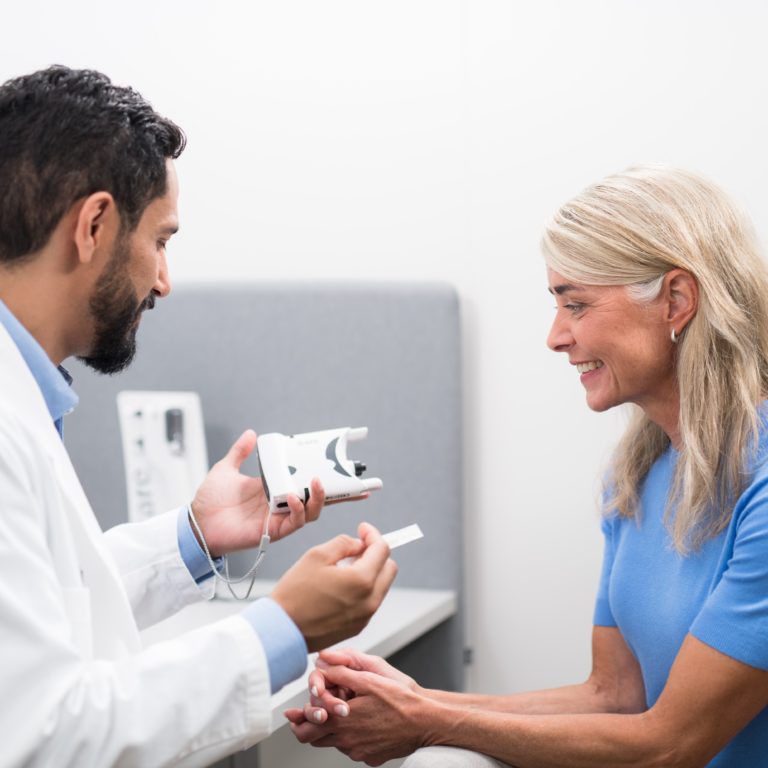
A handheld tonometer empowers glaucoma patients to take a more active role in their care. These devices help track IOP trends and fluctuations from home, identifying potential problems early. That data gives patients and doctors more control over glaucoma and eye pressure.
Some of the more common ocular tonometers include:
A tonometer is crucial in glaucoma care and the preservation of vision. These devices are vital to treatment success, whether used in clinics or at home.
The ultimate goal of measuring IOP is to protect the optic nerve and preserve vision. Consistent eye pressure testing enables early detection of changes, allowing eye doctors to intervene before vision loss occurs. Enter an eye pressure monitor or ocular tonometer.
Regular use of a tonometry device helps patients and doctors keep IOP under control. Ocular pressure naturally fluctuates throughout the day, known as diurnal variation.
In most people, IOP tends to peak in the morning and decrease as the day progresses. However, the extent of these fluctuations can vary from person to person.
Regular monitoring through eye pressure checks helps detect these variations. Glaucoma and eye pressure give healthcare professionals essential information to improve care and protect vision.
First, they can adjust treatments, such as eye drops, to maintain more consistent eye pressure. Second, they can identify risky patterns, such as significant morning spikes, that might require more intervention.
Many patients only get their IOP measured during routine eye exams. Portable eye pressure meters allow for more frequent monitoring. Again, those more frequent eye pressure checks identify spikes and help fine-tune treatment.
Some tonometry devices, such as the iCare HOME2 tonometer from MyEyes, enable doctors to obtain real-time IOP data. Using an Android device, you can send IOP measurements via WiFi.

Treating glaucoma often focuses on lowering IOP to reduce stress on the optic nerve. Some common treatments include:
Regular eye pressure checks ensure these treatments work as intended and help prevent vision loss.
Managing glaucoma and eye pressure is the cornerstone of vision preservation. With regular eye pressure checks, patients and doctors can spot changes early.
The iCare HOME2 allows you to measure IOP safely and conveniently from the comfort of your own home. You can purchase the tonometry device through Affirm with monthly payments or rent it on a weekly basis for shorter-term monitoring.