Tonometry is a simple, painless test that measures the pressure inside your eyes. It plays a vital role in detecting and treating glaucoma, one of the leading causes of blindness worldwide.
This beginner-friendly guide covers everything you need to know about tonometry and offers tips on using a handheld tonometer.
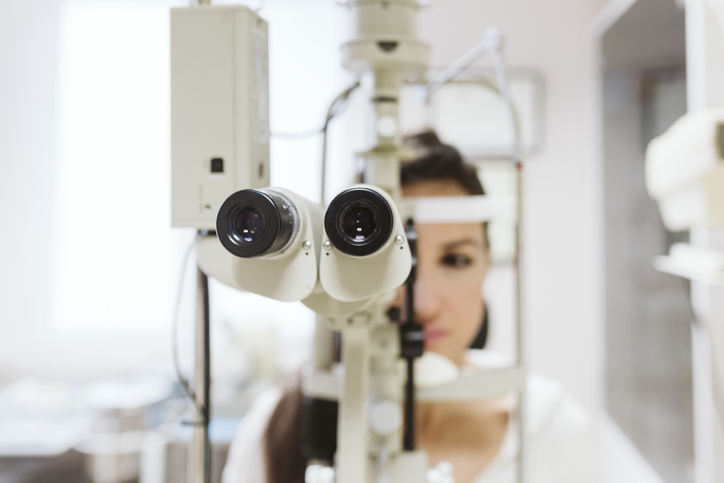
Tonometry is the process used to measure intraocular pressure (IOP), the fluid pressure inside the eye. This pressure originates from the flow and drainage of aqueous humor, the clear fluid that is located between the cornea and the lens.
When drainage is blocked or fluid builds up, it increases IOP, potentially causing permanent damage to the optic nerve. Over time, this can cause loss of vision or tension glaucoma. Tension glaucoma is a type of glaucoma where high pressure slowly affects vision without any early symptoms.
Tonometry is more than a routine test. It enables eye doctors to monitor eye health and detect serious eye diseases, such as glaucoma.
Glaucoma often develops without symptoms. However, regular IOP monitoring can uncover elevated eye pressure before it causes damage to the optic nerve. And once damage is done, there’s nothing you can do.
By catching these changes early, you can reduce your risk of developing glaucoma and begin treatment before visual field loss occurs.
Tonometry aids in:
Early and regular IOP measurements can help your eye doctor treat glaucoma before it steals your sight.
Not all tonometers are the same. Depending on your needs, you may encounter different types of devices for IOP monitoring. Three of the most common eye pressure meters include:
They’re the most common for at-home use. These tonometry devices use a tiny, disposable probe that gently bounces off your cornea. No numbing drops are required. They’re easy to use, fast, and ideal for tracking measured IOP on a daily basis.
Often found in clinics, an applanation tonometer uses a slit lamp and requires numbing eye drops. Goldmann Applanation Tonometry (GAT) is the clinical gold standard.
A non-contact tonometer, commonly known as an air-puff tonometer, uses a quick puff of air to flatten your cornea. This procedure is standard in eye exams but not typically available for at-home use.
Rebound tonometers are the best option for personal use. They’re FDA-approved, portable, and reliable for eye pressure checks.
Using a tonometer at home is a safe and straightforward process. But accuracy depends on technique. Here’s how to do it properly.

Step 1: Clean Hands and Setup
Start with clean, dry hands to avoid infection. Set up in a quiet, well-lit area. Sit upright and stay relaxed—tension can negatively impact the results.
Step 2: Power On and Calibrate
Turn on your tonometer. Some models auto-calibrate; others may require a quick setup. Follow on-screen instructions.
Step 3: Position the Device
Hold the tonometer a few millimeters from your open eye. Look straight ahead, keeping your eyes still. Most devices guide you into the proper position.
Step 4: Take the Measurement
Press the measurement button. The device will gently tap your eye surface. It’s painless—no more irritating air puffs or invasive touches.
Step 5: Record Your Results
Save your measured IOP in a journal or health app. Many devices track trends or allow you to share data directly with your eye doctor.
Home IOP monitoring is useful, but accuracy matters—especially when managing high eye pressure or treating glaucoma. These tips help you get the best results:
If something feels off, repeat the reading or contact your eye doctor for guidance.
For most people, normal IOP falls between 10 and 21 mmHg. But “normal” varies from person to person. Some people with tension glaucoma experience vision loss even within the normal range. That’s why consistent tonometry and regular eye exams are essential.
If you consistently get high eye pressure (above 21 mmHg) readings, it may indicate:
Discuss any unusual results with your eye doctor to determine if further testing or treatment is needed.
Seeing a high IOP measurement can be stressful, but it’s important not to panic. Many factors can temporarily raise eye pressure, including:
Try the reading again, and if your results remain high, reach out to your eye care provider. They may:
High pressure doesn’t always mean you’ve developed glaucoma—but it increases your risk of glaucoma-related vision loss. The sooner you address it, the better.
If you or a loved one develops glaucoma, having a home tonometer can be life-changing. It provides real-time feedback and enhances communication with your doctor. Tonometry especially benefits:
Consistent home testing helps treat glaucoma proactively, avoid hospital visits, and slow the progression of the disease.

Home tonometry offers more than just numbers—it provides peace of mind. With a reliable home tonometer, you can stay on top of IOP monitoring and uncover eye pressure fluctuations. You can also work more closely with your doctor to treat glaucoma before it leads to optic nerve damage or vision loss.
Eye care doesn’t start and stop at your appointments. With the right tools, you can be an active partner in preserving your vision—and your independence.
The iCare HOME2 handheld tonometer is available for a weekly rental for only $249. It’s the perfect solution for those seeking to conduct short-term eye pressure testing from the comfort of their own home. Need a little more time? You can continue IOP monitoring for just $149 weekly.