Two innovations are transforming the approach to glaucoma care. First, SLT eye surgery is a non-invasive procedure that reduces eye pressure fluctuations. Second, home tonometry helps give doctors and patients a clearer picture of how treatments work.
Why are these elements so critical in glaucoma care?
Managing eye pressure fluctuations is essential for people living with open-angle glaucoma and ocular hypertension (OHT). These conditions are two leading causes of vision loss, affecting millions worldwide.
Traditionally, the first step in treating glaucoma has been the use of eye drops. However, managing multiple medications can be challenging. Equally important, these treatments often fail to address fluctuations in intraocular pressure (IOP) throughout the day.
Together, SLT laser surgery and home tonometry provide a powerful approach to managing risk factors for glaucoma progression and enhancing long-term outcomes.
For people with glaucoma, keeping IOP stable is crucial. High or fluctuating eye pressure damages the optic nerve, leading to irreversible vision loss.
Many patients have harmful IOP changes outside regular clinic hours. This often happens in the early morning or late evening. These pressure spikes are among the most significant risk factors for the progression of glaucoma.
Traditional methods of IOP measurement—such as periodic eye pressure checks during doctor visits—often fail to capture these critical variations. Understanding and managing daily eye pressure fluctuations is essential, and innovations such as home tonometry and laser treatment play a significant role in this quest.
Selective Laser Trabeculoplasty (SLT) is a minimally invasive laser procedure. It uses low-energy laser pulses to stimulate the eye’s natural drainage system. This helps fluid exit the eye more efficiently, reducing overall IOP and minimizing eye pressure fluctuations.
The procedure is quick—about 10 minutes—and doesn’t involve incisions or implants. Patients can resume normal activities shortly after treatment, making it a convenient and effective alternative to glaucoma medications.
Unlike daily eye drops, SLT eye surgery requires no ongoing effort from the patient and has minimal side effects. After the procedure, doctors often prescribe a short course of anti-inflammatory drops to support the healing process.
Research has shown that SLT lowers IOP and reduces the spikes and valleys of daily pressure fluctuations. That makes it a valuable tool for slowing disease progression and protecting vision over time.
A recent study at the Moran Eye Center highlights the combined power of SLT and home tonometry. Researchers asked 32 patients with open-angle glaucoma or OHT to track their IOP at home using the iCare HOME2 tonometer. The patients measured their eye pressure six times a day for seven days before and after undergoing SLT.

Before SLT eye surgery, patients experienced significant daily IOP fluctuations. The majority of maximum IOP spikes (83%) occurred outside clinic hours. The data shows how much critical data people miss during routine office visits.
After SLT laser surgery, patients saw significant reductions in eye pressure fluctuations and stabilized pressure levels. For example:
These findings demonstrate that SLT eye surgery effectively reduces IOP and addresses the eye pressure fluctuations that pose a significant risk to the optic nerve.
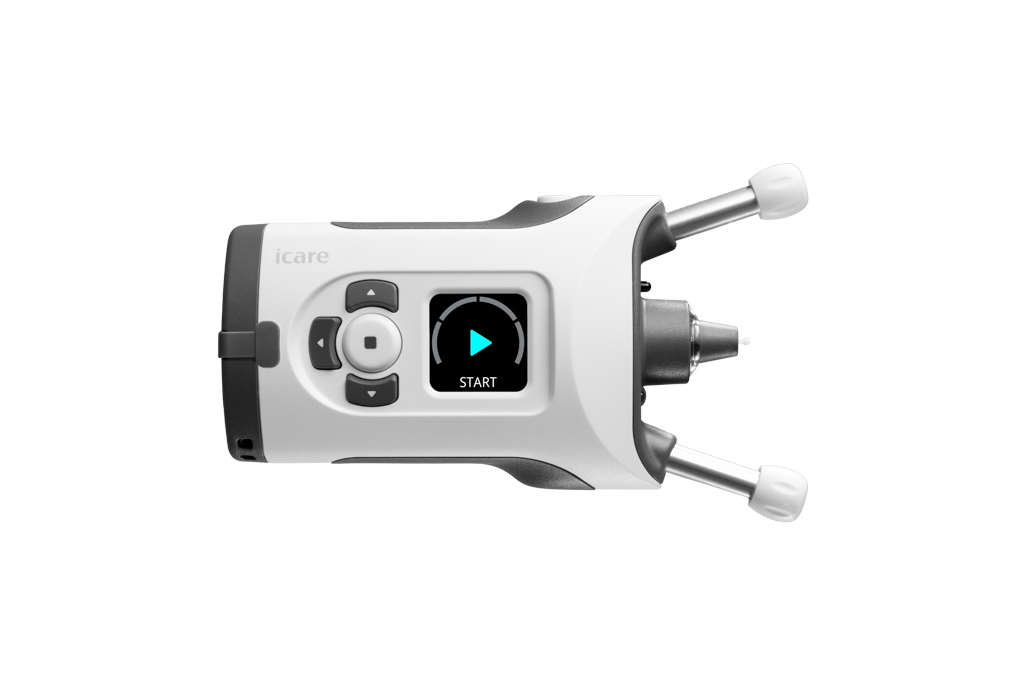
One of the study’s most valuable aspects was the use of home tonometry to monitor IOP outside of clinic visits. Devices like the iCare HOME2 ocular home tonometer allow patients to measure their eye pressure at different times of the day. More frequent measurements provide a more complete picture of eye pressure fluctuations.
Monitoring changes in intraocular pressure is crucial for protecting vision in individuals with glaucoma or ocular hypertension. Traditional clinic visits provide only a snapshot of eye pressure at a single point in time, which often fails to capture the bigger picture.
Studies show that most harmful eye pressure fluctuations occur outside office hours, typically in the early morning or late evening. These spikes can contribute to disease progression, making it harder to control the condition effectively.
Home tonometry allows patients to conduct eye pressure checks. It provides valuable insights into how patients’ glaucoma treatment is working. Tools like the iCare HOME2 tonometer make it easy for patients to track their progress. They also help doctors tailor treatments, such as SLT laser surgery, for better outcomes.

In the Moran study, 96% of participants successfully used the iCare Home2 tonometry device. It makes home monitoring accessible and easy to integrate into daily life. Plus, patients enjoy these benefits:
The combination of SLT laser surgery and home monitoring with a tonometer has many benefits for managing open-angle glaucoma and OHT.
Research indicates that combining new treatments, such as SLT laser surgery, with home tonometry is the future of glaucoma care. These approaches provide a personalized approach to managing IOP, reducing risk factors, and improving long-term outcomes.
Doctors can offer better care by understanding how IOP changes and using effective treatments. It also helps patients take an active role in protecting their vision.
Talk to your eye doctor if you have open-angle glaucoma or high eye pressure. Ask if SLT eye surgery and a home tonometry device are good options.
These innovations help stabilize eye pressure and reduce the need for daily eye drops, protecting vision from long-term damage.
Managing glaucoma has never been more accessible or effective, thanks to tools like SLT laser surgery and the iCare HOME2 tonometer.
MyEyes offers affordable and flexible rental plans tailored to your needs. We also provide the option to purchase a home tonometer. Our patient ambassadors (also glaucoma patients) are available via phone or chat during the week to answer all of your setup questions and address any ongoing needs you may have!
Learn more about home tonometry monitoring services from MyEyes today.