Glaucoma disease is one of the leading causes of blindness worldwide. People often call it the “silent thief of sight.” It usually starts without apparent symptoms. Without early detection, it causes slow, irreversible damage to the optic nerve.
That’s why early detection is critical. You can manage your eye health by having regular eye exams and checking your eye pressure. And that helps prevent vision loss. Fortunately, eye pressure machines enable you to conduct IOP measurements from the comfort of your own home.

Glaucoma is a group of progressive eye diseases that damage the optic nerve—the crucial link between the eyes and brain. Most often, the damage stems from increased intraocular pressure (IOP), which can build up due to problems with the flow or drainage of the eye’s internal fluid, known as aqueous humor.
Under normal conditions, aqueous humor flows through the eye and drains steadily. But when this process encounters blockages or inefficiencies, pressure builds. That creates tension in the eye that can slowly damage the optic nerve. If left undetected, this damage can lead to permanent vision loss, beginning with peripheral vision and progressing inward.
Glaucoma isn’t a one-size-fits-all condition. There are several different forms—each with unique causes, symptoms, and treatment approaches. Understanding the type of glaucoma disease you have (or may be at risk for) is crucial for selecting the right management plan.
Here are the most common types to know:
Understanding your type of glaucoma disease is crucial for personalized treatment.
Glaucoma can affect anyone, but some people are at significantly higher risk of developing the disease. These risk factors for glaucoma don’t guarantee you’ll get glaucoma. However, they do increase the likelihood, especially without monitoring.
If you fit into one or more of these groups, regular eye exams and IOP monitoring are critical:
Your doctor may recommend more frequent exams and IOP monitoring to catch early signs of glaucoma disease.
Normal intraocular pressure generally ranges from 10 to 21 mmHg, but “normal” varies from person to person. Someone might have higher readings without nerve damage, while others may suffer optic nerve harm at normal levels.
However, a single snapshot your physician takes doesn’t tell the whole story when measuring IOP. Instead, IOP monitoring is essential to spot changes that could indicate early glaucoma disease.
As mentioned, most people who develop glaucoma do so without any early warning signs. You won’t feel eye pain or notice pressure in the eye. Additionally, your central vision typically remains unaffected until the later stages of the disease. As a result, many people don’t realize they have a problem until their vision deteriorates.
That’s why IOP measurement is so important. A higher-than-normal measured IOP can be a strong warning sign of ocular hypertension. That increases your chances of glaucoma, especially when your IOP remains consistently elevated.
In a clinical setting, eye doctors often use Goldmann Applanation Tonometry (GAT). This tried and accurate method involves a slit lamp and a small device. The tonometer (what is a tonometer) flattens part of the cornea to measure intraocular pressure. While accurate, the test requires a trained professional to administer it, which involves applying numbing drops.
Unfortunately, that single visit only captures an eye pressure measurement once. More frequent readings provide a clearer indicator of fluctuations and when they typically occur.
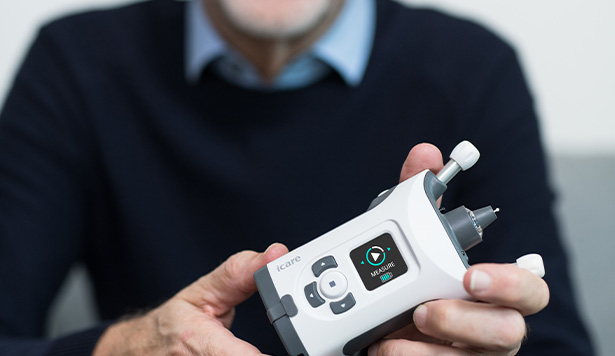
That’s where an at-home eye pressure meter is invaluable. With a handheld tonometer, patients can check their eye pressure at any time from the comfort of their own home.
These tonometry devices make it easier to track IOP outside the clinic and offer valuable insight into how pressure changes throughout the day.
For example, some forms of tension glaucoma involve pressure spikes that occur at night or early morning. Those spikes would go undetected during office visits. And that’s where home monitoring makes a huge difference.
Though there is no cure, glaucoma treatment focuses on lowering intraocular pressure to prevent further optic nerve damage. Treatment may include:

Like any medication, eye drops can have a side effect profile, which may include redness, irritation, or fatigue. That’s why tracking IOP and symptoms over time helps doctors fine-tune your regimen to treat glaucoma.
Traditionally, IOP was measured only during eye exams. But thanks to innovations in personal health tech, you can now measure intraocular pressure at home. A handheld tonometer is a game-changer for anyone living with glaucoma disease or at higher risk.
At-home monitoring helps you:
At-home IOP monitoring is beneficial for people with fluctuating pressure, as well as for those newly diagnosed and adjusting to eye drops or other treatments.
Glaucoma doesn’t have to mean blindness. With early detection, you can manage the disease to prevent further damage. That’s where IOP monitoring, regular eye exams, and the use of a reliable eye pressure meter come into play.
It’s too late to reverse the damage when you notice vision loss. However, if you start tracking your measured IOP today—especially if you’re at higher risk—you may be able to preserve your vision for the rest of your life.
You only get one set of eyes, so don’t wait for symptoms to appear. Glaucoma disease is sneaky, but you can catch it early and act fast with the right tools and awareness.
Regular IOP measurement and at-home tonometry are convenient and potentially sight-saving. Discuss at-home monitoring options with your doctor.
Eye pressure measurement devices, such as the iCare HOME2 handheld tonometer, can help you manage your vision. For short-term management, you can rent the tonometry device for $249 for one week. After your first week, the rental price drops to $149.
Don’t wait to begin measuring your eye pressure. Your vision is worth it.