Glaucoma is one of the leading causes of irreversible blindness worldwide, but it doesn’t have to be. With the proper care, people with glaucoma can live whole, active lives. The key lies in early detection and consistent glaucoma treatment. You also now have access to new tools that give you more control over your care, like self-tonometry.
Understanding your treatment options is crucial. That’s true whether your eye doctor recently diagnosed your condition or whether you manage glaucoma long-term.
In this post, we’ll cover how to prevent glaucoma from progressing, what to avoid, and how new solutions work.

Glaucoma damages the optic nerve, often due to elevated intraocular pressure (IOP)—the pressure inside the eye. This occurs when the fluid from the eye, known as aqueous humor, fails to drain correctly. Over time, this pressure can destroy the nerve fibers that carry signals from the part of the eye responsible for vision.
There are two main types of glaucoma:
The best way to treat glaucoma and slow its progression is to lower IOP. Typically, that happens through medication, laser treatment, or surgery, but consistent monitoring is equally important. That’s where self-tonometry comes in with a handheld tonometer.
A handheld tonometer enables patients to track their IOP multiple times a day from the comfort of their own homes. The data provides doctors with real-time insight and patients with more control. As a result, you can capture problems earlier and adjust glaucoma treatment before damage occurs.
Absolutely. Most people with glaucoma live perfectly everyday lives if they keep their condition under control.
Doing so requires:
One of the most complex parts of living with glaucoma is the “invisible” nature of the disease. However, tools like self-tonometry help alleviate that uncertainty. Regular and consistent IOP measurements provide individuals with real-time clarity about what is happening inside their eyes.
If you’re managing glaucoma, certain behaviors can make it worse or increase your risk of complications. Here’s what to avoid:
Managing glaucoma isn’t one-size-fits-all. Your doctor will tailor a plan based on the type of glaucoma, IOP levels, and how your eyes respond to treatment. Here’s a breakdown of the main glaucoma treatment options:

Most treatments begin with medicated eye drops to reduce intraocular pressure (IOP).
Typically, you must use these drops multiple times a day, and they work best when taken consistently. Be aware of potential side effects, such as redness, blurred vision, or fatigue.
Eye doctors often recommend selective laser trabeculoplasty (SLT) if drops aren’t enough.
When medications and lasers fail to control pressure, your doctor may recommend surgery.
Whether it’s drops, laser, or surgery, all options aim to treat glaucoma by lowering IOP and keeping it stable.
Traditionally, physicians only measure IOP during clinic visits, but eye pressure can fluctuate significantly throughout the day. That’s where self-tonometry makes a difference in glaucoma treatment.
Self-tonometry devices, such as the iCare HOME2 tonometer, enable you to monitor IOP at home on your schedule. This provides you and your doctor with more data to work with. It also provides a better understanding of how your eye pressure behaves at different times of the day. You can also gain insight into how your medications are working.
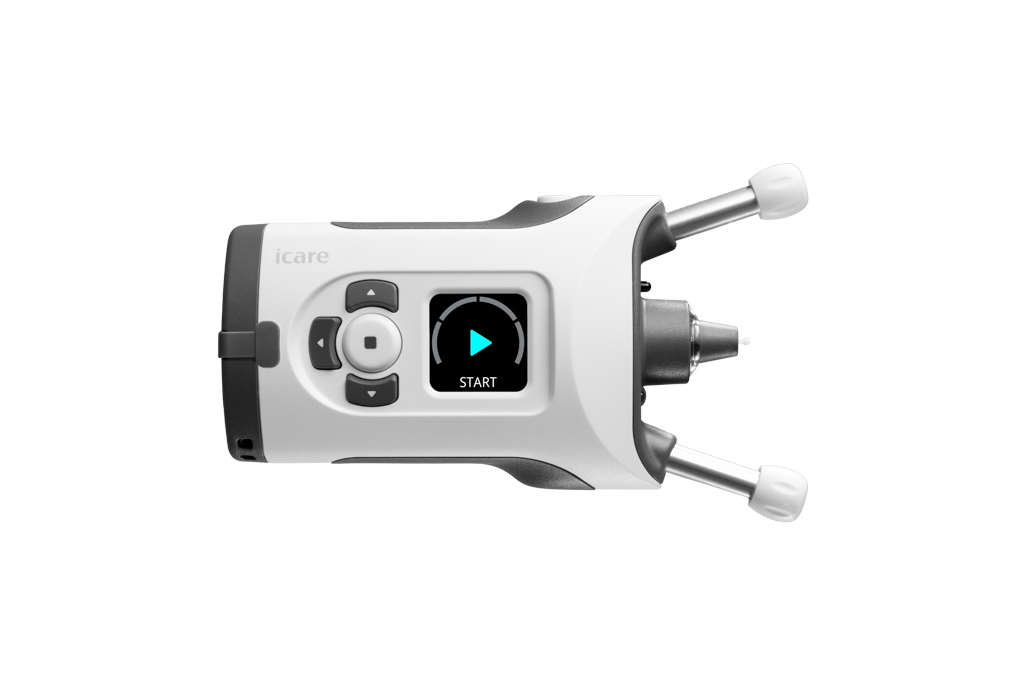
As mentioned, eye pressure can change throughout the day. Unfortunately, you can miss those changes if you’re only measuring intraocular pressure (IOP) during occasional clinic visits. That’s where self-tonometry comes in.
Using a tonometer, you can measure your intraocular pressure (IOP) from the comfort of your own home. That provides both you and your doctor with a more comprehensive picture of your eye health.
Here’s why that matters:
You can rent a tonometry device, such as the iCare HOME2, for $249 for the first week. Afterward, you only pay $149 for additional weeks. You can purchase the tonometer for $2,995, with flexible financing available.
Glaucoma doesn’t mean the end of your vision, but it does mean staying vigilant. With the right combination of treatments and regular eye exams, you can effectively manage glaucoma. A tonometer can play a critical role.
If you’re managing glaucoma or seeking more innovative ways to monitor your eye health, MyEyes can help. Discover more about how its IOP monitoring services can enhance your daily routine.