
SAVE $300 TODAY On Your HOME2 Purchase! ✦ Limited-Time Offer

News Article

Glaucoma: Causes, Symptoms, and Treatment Options

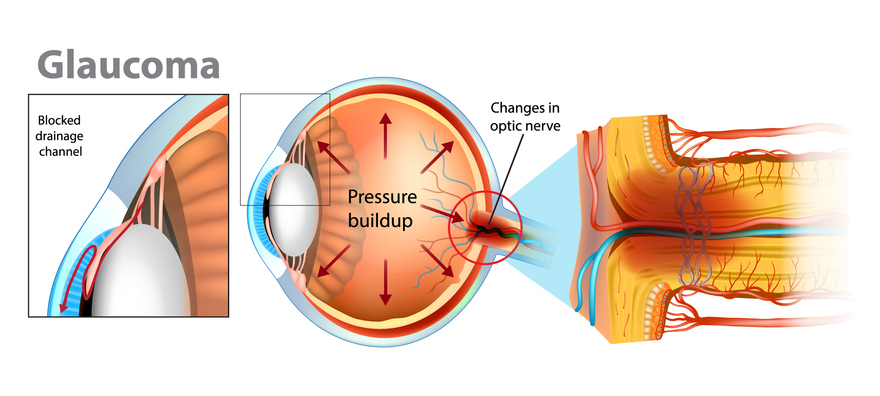
Glaucoma is a group of eye diseases that can lead to blindness if left untreated. It occurs when high pressure in the eye, known as intraocular pressure (IOP), damages the optic nerve, which is essential for good vision.

Often referred to as the “silent thief of sight,” the disease progresses slowly and may not exhibit symptoms in its early stages. However, with early detection and proper care, vision loss can be minimized or prevented.

What is Glaucoma?

Glaucoma is a condition in which increased eye pressure damages the optic nerve. The optic nerve carries visual signals from the eye to the brain, and any damage can result in vision loss. Indeed, the disease is a leading cause of blindness.

While high intraocular pressure is the most common cause, glaucoma can also occur with normal IOP pressure.

There are several types of glaucoma:
  • Primary Open-Angle Glaucoma: The most common type, it develops slowly and often has no symptoms initially.
  • Acute Angle-Closure Glaucoma: This occurs suddenly and is a medical emergency. Symptoms include severe eye pain, nausea, and blurred vision.
  • Normal-Tension Glaucoma: Optic nerve damage occurs even when eye pressure is within the normal range.
  • Congenital Glaucoma: A rare type found in infants from improper eye development.
  • Secondary Glaucoma: This results from another eye condition or injury.
Glaucoma is a group of eye diseases that lead to damage of the optic nerve. Intraocular pressure in the back of the eye

Causes and Risk Factors

Glaucoma is often caused by increased eye pressure, which happens when the eye’s drainage system doesn’t function properly. Other factors can also contribute, such as:

  • Age: Risk increases for people over 60.
  • Genetics: A family history of the disease increases your risk.
  • Ethnicity: African Americans, Hispanics, and Asians are at higher risk.
  • Medical Conditions: Diabetes, high blood pressure, and long-term steroid use can elevate the risk.

If you have these risk factors, regular visits to your eye doctor are critical for early detection.

Symptoms of Glaucoma

One challenge of managing this condition is that it often has no early symptoms. This is especially true for the primary open-angle type. However, as the disease progresses, signs may appear, including:

  • Gradual loss of peripheral vision.
  • Tunnel vision in advanced stages.

In contrast, acute angle-closure glaucoma has more immediate and severe symptoms:

  • Intense eye pain
  • Redness in the eye
  • Nausea or vomiting
  • Halos around lights
  • Sudden blurred vision

If you notice these symptoms, consult an eye doctor immediately.

Diagnosis and Screening

Early detection is key to managing glaucoma effectively. Regular eye exams are crucial, especially for individuals at a higher risk. During an exam, your eye doctor may use several tests to check for signs, including:

  1. Tonometry: It measures the pressure inside the eye. A tonometer is a key tool for assessing IOP.
  2. Visual Field Test: Identifies loss of peripheral vision.
  3. Ophthalmoscopy: Examines the optic nerve for signs of damage.
  4. Gonioscopy: Evaluates the drainage angle in the eye.
  5. Pachymetry: Measures corneal thickness, which can influence IOP readings.

For people diagnosed with this condition, regular eye pressure tests are crucial. Fortunately, using a tonometer, self-tonometry enables you to track your eye pressure from the comfort of your own home.

This empowers you to participate actively in treatment planning and ensures prompt response to changes in pressure inside the eye.

Glaucoma Treatment Options

Treating glaucoma focuses on lowering eye pressure to prevent further damage to the optic nerve. Treatment options vary based on the type and severity of the condition.

Medications

Most patients begin with medicated eye drops. They help reduce high eye pressure by decreasing fluid production or improving fluid drainage. Common types include:

  • Prostaglandins: Increase fluid drainage.
  • Beta-Blockers: Reduce fluid production.
  • Alpha-agonists and Carbonic Anhydrase Inhibitors: Offer dual action.

Taking these drops consistently is vital for effective glaucoma care.

Doctor performing eye surgery for glaucoma in modern clinic

Laser Therapy

Laser treatments can improve fluid drainage or reduce fluid production. For example:

  • Trabeculoplasty: Used for open-angle glaucoma to enhance drainage.
  • Iridotomy: Creates a small hole in the iris to relieve pressure in angle-closure glaucoma.

Surgery

If medications and laser therapy are not sufficient, surgery may be necessary:

  • Trabeculectomy: Creates a new drainage pathway.
  • Tube Shunts: Devices that redirect fluid to lower IOP.

Emerging Treatments

New therapies are being developed to improve glaucoma care. Minimally invasive glaucoma surgeries (MIGS) are less invasive and have faster recovery times. Additionally, research into neuroprotective treatments and genetic therapies holds promise for better outcomes.

Self-Tonometry for IOP Monitoring

Monitoring intraocular pressure (IOP) is critical to managing glaucoma and preventing further damage to the optic nerve. Traditionally, patients visit their eye doctor regularly to measure the pressure inside their eyes.

However, advancements in technology now allow for self-tonometry. It enables you to measure IOP accurately from the comfort of your own home using a handheld tonometer.

What is Self-Tonometry?

Self-tonometry involves using a compact, easy-to-use device called a tonometer (what is a tonometer) to monitor IOP. Tools like the iCare HOME2 tonometer from MyEyes enable patients to track changes in eye pressure conveniently.

You can measure and record your IOP levels with just a few simple steps. More importantly, you can give your eye doctor valuable data for treatment planning and early intervention.

5 Benefits of an Ocular Tonometer for Glaucoma Care

Self-tonometry is particularly beneficial for individuals with glaucoma or those at high risk of developing it. Here’s why:

  1. Frequent Monitoring: Typically, IOP fluctuates throughout the day and night, often with regular spikes in the morning. Regular eye pressure tests provide a more comprehensive picture of how intraocular pressure changes over time. Those consistent IOP measurements deliver infinitely more information compared to occasional readings at the clinic.
  2. Early Detection of Changes: Sudden increases in IOP can signal the need for immediate intervention. Self-tonometry enables you to detect such changes before they cause irreversible damage to the optic nerve.
  3. Glaucoma Care: Measuring IOP at home gives you greater control over your glaucoma care. It allows you to actively participate in your treatment and share accurate data with your eye doctor.
  4. Treatment Adjustments: Regular IOP readings enable doctors to tailor glaucoma treatments to individual needs, resulting in better outcomes.
  5. Time-saving: Reduces the need for frequent clinic visits.
woman sitting on her bed using a tonometer to measure IOP from home

How Does a Tonometer Work?

Home tonometry substantially advances glaucoma care. Best of all, the process is simple:

  1. Position the Device: Place the tonometer gently against your eye or follow instructions for a non-contact method.
  2. Measure IOP: The device will take a reading, often using a small probe, making the process quick and painless.
  3. Record Results: Most eye pressure tonometers automatically save the readings. This lets you share the data with your eye doctor at your next visit. Some, like the HOME2, allow you to transfer data using an Android device and a WiFi connection.

Living with Glaucoma

Managing glaucoma requires a proactive approach. Here are some tips:

  1. Stick to Your Treatment Plan: Use eye drops or medications as prescribed. Regularly measure your IOP with a tonometer to ensure your treatment is effective.
  2. Maintain Healthy Habits: Eat a balanced diet rich in leafy greens, omega-3 fatty acids, and antioxidants. Exercise regularly to promote overall eye health.
  3. Protect Your Eyes: Wear protective eyewear during activities that could cause injury. Avoid smoking and limit alcohol consumption.
  4. Stay Connected: Join a support group to share experiences and find encouragement from others living with glaucoma.

Preventing Glaucoma

While you can’t always prevent glaucoma, you can reduce your risk with these steps:

  • Get regular eye exams, especially if you have risk factors.
  • If you are at risk, consider using a tonometer to monitor your IOP at home.
  • Follow a healthy lifestyle to support overall eye health.

Proactive care is your best defense against damage to the optic nerve caused by high eye pressure.

The iCare HOME2 Tonometer Gives You Control.

Glaucoma is a serious eye condition, but early detection and proper treatment can help preserve your vision. From medications to surgeries, glaucoma treatment options focus on controlling IOP and preventing further damage to the optic nerve.

Tools like the MyEyes in-home tonometer make it easier to stay on top of your glaucoma care. You can purchase or rent the device. You’ll also access live customer support to help you learn how to use the ocular tonometer.

Don’t wait until symptoms appear. Schedule an eye exam today, or explore how the HOME2 tonometer can support your glaucoma care journey. Protect your vision—your future self will thank you.

Facebook
Twitter
LinkedIn
Pinterest
Picture of MyEYES, LLC

MyEYES, LLC

Our mission is to make it easier to get home tonometers into hands of the people who need it. In this way, IOP data collected at home at various time points during the day and or night can help to direct an individual patients’ doctors to provide the ideal treatment for that patient’s tailored need.

Leave a Reply

Your email address will not be published. Required fields are marked *

Subscribe to Get Notified

Be the first to know about our upcoming educational webinars!

Hear from glaucoma and industry experts sharing insights on the latest trending topics that are shaping glaucoma.