Good eye health is essential for protecting your vision. One critical factor often unnoticed is intraocular pressure (IOP), the fluid pressure inside the eye.
Eye pressure fluctuations are particularly significant for patients with glaucoma. Understanding intraocular eye pressure and how to measure it is key to preserving your vision.
Your eyes constantly produce a clear fluid called aqueous humor, which nourishes the eye and maintains its shape and structure. This fluid flows through the eye and drains via a delicate system. When the production and drainage of this fluid are in balance, your normal IOP pressure typically falls between 10 and 21 mm Hg.
However, when IOP rises above this range, it can cause severe damage to the optic nerve. It sends visual information to your brain.
High intraocular pressure can flatten the cornea and increase your risk of developing glaucoma. If left untreated, it can lead to blindness. On the other hand, abnormally low IOP may indicate trauma or other eye conditions that also require medical attention.
IOP isn’t static. It naturally fluctuates throughout the day in response to changes in posture, hydration, and stress. Minor variations are normal. However, significant spikes or drops can be dangerous, especially for those at risk of glaucoma.
Unchecked fluctuations in intraocular pressure may:
Regular eye pressure checks are essential for people with glaucoma or a family history of it. They help catch problems early to improve treatment.
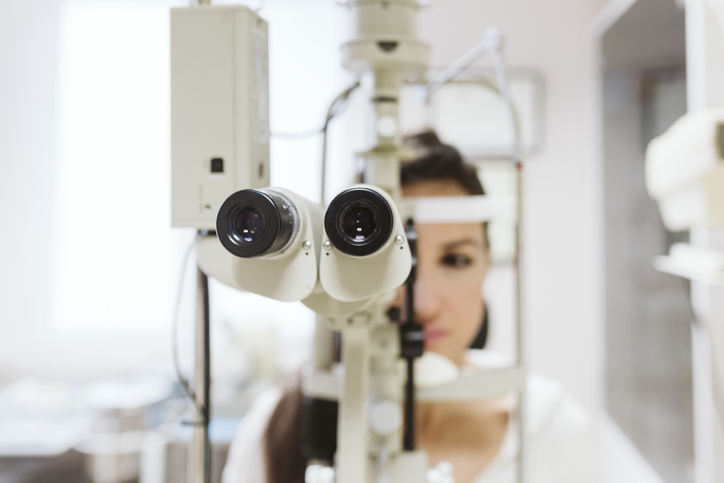
IOP measurement is a routine part of regular eye exams. If you’ve ever experienced a “puff of air” test, that was a type of tonometry—a method for testing your eye pressure.
Another standard method involves a device known as a tonometer (what is a tonometer). It applies gentle pressure to the eye and temporarily flattens the cornea to measure IOP.
A newer, more convenient technique called rebound tonometry has gained popularity, especially for at-home use. Rebound tonometry works by gently bouncing a small probe off the surface of your eye to measure intraocular pressure. It doesn’t require numbing drops, making regular monitoring faster, easier, and more comfortable.
Why rebound tonometry is ideal for home use:
Tonometers, such as the iCare HOME2 from MyEyes, enable you to measure eye pressure at various times throughout the day. That provides valuable data to give your doctor a complete picture of how your eye pressure fluctuates over time.
Regular IOP measurement can mean the difference between stable vision and vision loss. Therefore, an ocular tonometer is a vital tool for glaucoma care.
Consistent eye pressure testing allows you to:
MyEyes, for example, offers an easy-to-use tonometer. Best of all, you can perform accurate IOP testing from the comfort of your home. By integrating this data with your overall treatment plan, you can proactively safeguard your vision.

Although high IOP is a significant risk factor for glaucoma, it isn’t the only one. Other factors include:
Regular comprehensive eye exams and at-home eye pressure measurements become even more essential with these conditions.
While glaucoma and other eye conditions can’t always be prevented, there are steps you can take to support healthy IOP:
Combining these efforts with eye pressure home tests gives you the best chance of protecting your vision.
Managing your intraocular pressure can be reasonably simple. With tools like the iCare HOME2 tonometer, you can measure IOP regularly. You can track IOP fluctuations and share valuable data with your doctor to improve glaucoma care.
Don’t wait for symptoms to appear—take a proactive step in your eye care journey. Discover our range of tonometers today and start monitoring your IOP from the comfort of your own home. Together, we can help you protect your vision and maintain your quality of life.